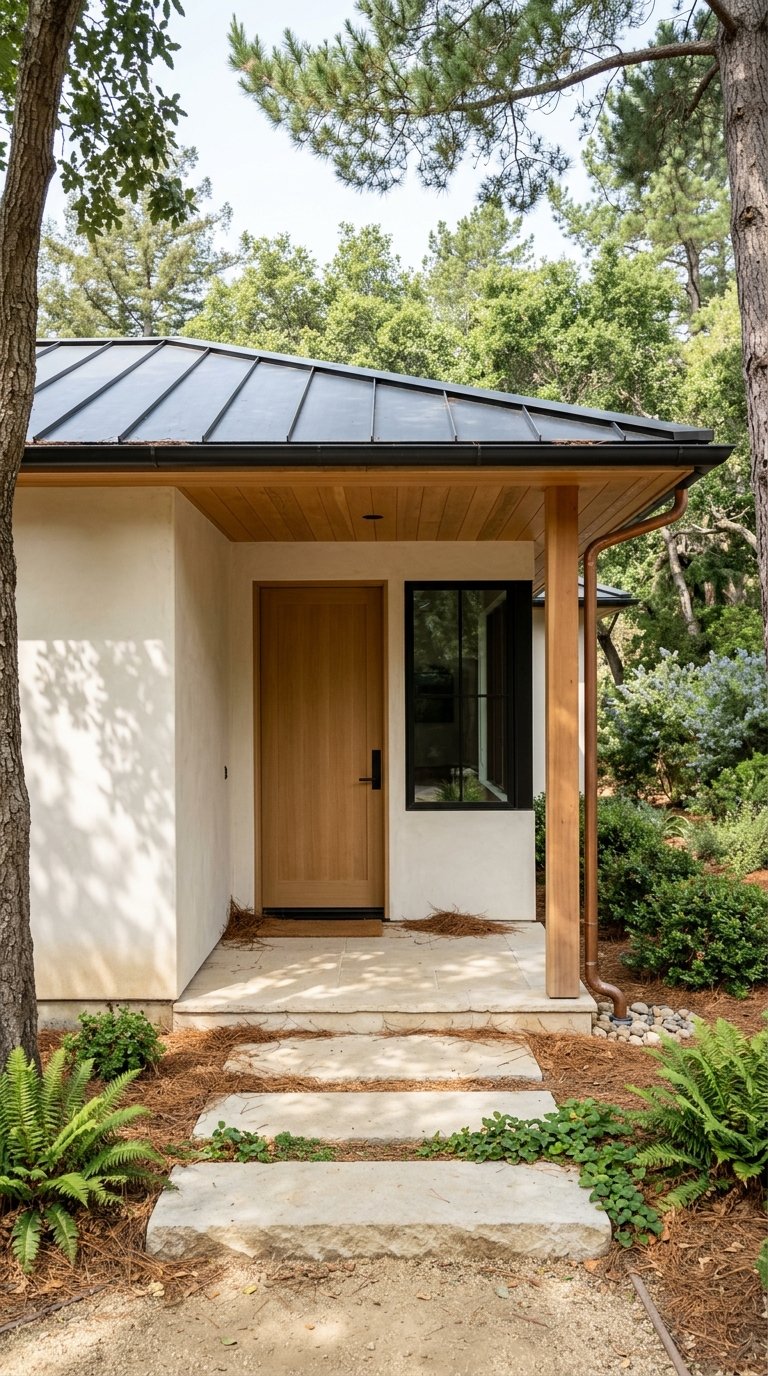
Dreaming about a place where the pace slows down, the air smells like ocean and pine, and your weekends feel like a reset? Buying a retreat home in Cambria can be a wonderful lifestyle move, but it also comes with some very specific due-diligence steps that you do not want to skip. If you are considering a second home, part-time coastal escape, or long-term lifestyle property here, this guide will help you understand what matters most before you buy. Let’s dive in.
Why Cambria Feels Like a Retreat
Cambria has long been tied to the idea of getaway living. San Luis Obispo County describes it as one of the small unincorporated communities along the coast, and county drainage materials note that it was originally subdivided as a community of vacation homes.
That history still shows up in how the town feels today. Visit Cambria describes it as a pine-studded coastal hideaway, with places like the Moonstone Beach boardwalk reinforcing that relaxed, retreat-style identity many buyers are looking for.
What Kinds of Homes You May Find
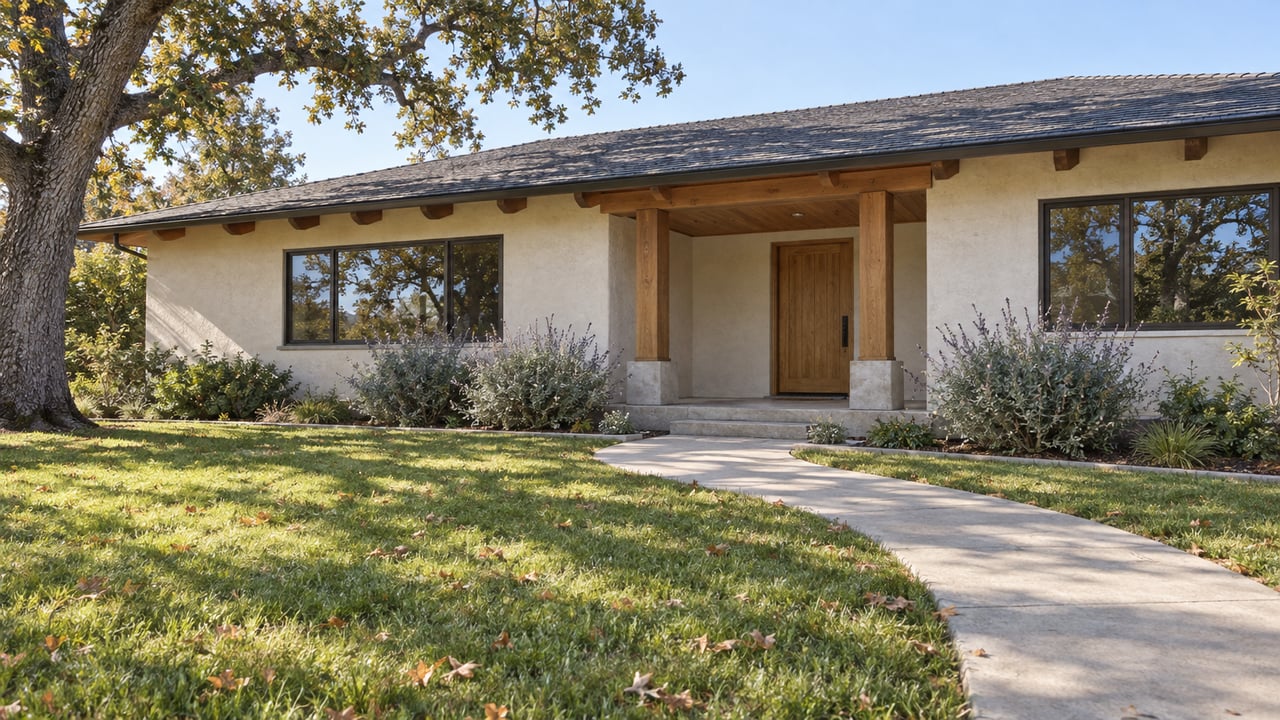
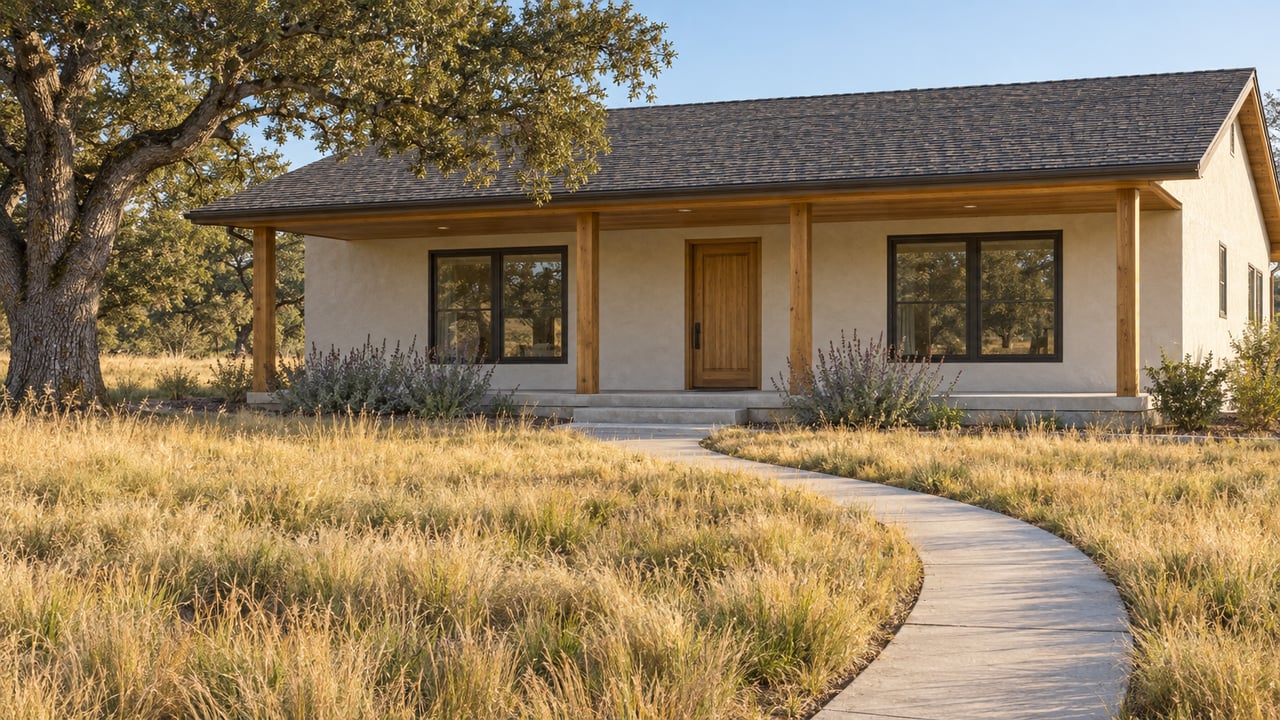
One of Cambria’s appeals is that there is not just one retreat-home style. Public lodging examples in town reflect a mix that includes cottage-style oceanfront homes, a 1906 Victorian lightkeeper’s house, rustic single-level bluff homes, and larger ocean-view estate homes.
For you as a buyer, that means the market may include everything from smaller vintage cottages to classic beach houses and more substantial family retreat properties. Your search will likely depend on whether you want low-maintenance simplicity, coastal character, or a home with enough space for hosting and longer stays.
Why Micro-Location Matters in Cambria
In Cambria, the street and setting can matter just as much as the house itself. The Cambria Community Services District neighborhood liaison map uses local area names like East Village, West Village, Moonstone Beach Drive, Lodge Hill, Marine Terrace, Seacliff Estates, and Top of the World.
Those names are useful because each micro-location can bring different practical considerations. Buyers should pay close attention to slope, wind exposure, ocean proximity, and access, since those factors can affect maintenance, comfort, and future project planning.
Water Is the First Question to Answer
If you remember one thing about buying in Cambria, make it this: verify water status early. Cambria’s water system is not a routine utility issue, and it can directly affect what you can do with a property.
According to CCSD, the town’s water comes from municipal wells on San Simeon Creek and Santa Rosa Creek. Because storage depends heavily on seasonal rainfall, the district declared a water emergency shortage in 2001 and has not lifted it.
CCSD also states that it has not issued a new residential Intent to Serve letter since 2001. As of 2023, more than 600 properties were on the waitlist.
That is why you should never assume a listing is a straightforward utility hookup situation. If a property’s value depends on vacant-land potential, future expansion, or major redevelopment, you need to confirm the current CCSD water position before moving forward.
Why Water Affects Building Plans
In Cambria, water and building rights are closely connected. CCSD says the County will not process a building permit without water, even for projects designed to be off-grid, and potable wells are not permitted within the CCSD service area.
That can catch out-of-area buyers by surprise. A parcel that looks promising on paper may still have major limitations if water service has not been secured through the proper district process.
If a listing mentions a waitlist position, ask for clarity. CCSD warns buyers to confirm whether that position is an actual CCSD water waitlist position or only a County building-permit waitlist placeholder.
Permits Can Be Layered
Cambria is unincorporated, so San Luis Obispo County handles land-use authority and building permits. At the same time, CCSD handles water, wastewater, fire protection, and emergency-related services.
There is another layer to understand as well. CCSD states that most development in Cambria is in the Coastal Zone and may be subject to appeal, with the California Coastal Commission potentially taking jurisdiction.
For you, the practical takeaway is simple: if you are buying with plans for a remodel, addition, teardown and rebuild, or change of use, do not rely on assumptions. You should review the County’s Cambria planning resources and verify which agencies were involved in past work or may be involved in future approvals.
Remodels and Resale Retrofits to Check
If you are buying an existing home, ask whether it already complies with CCSD retrofit requirements. CCSD’s current code requires existing residential and commercial buildings to be retrofitted with high-efficiency water-use plumbing fixtures at change of ownership if they are not already compliant.
That matters because a home that feels move-in ready may still require utility-related updates tied to the sale. If you are planning work after closing, CCSD also notes that remodels, additions, reconstruction, and commercial change-of-use go through will-serve and fire plan review.
Coastal Maintenance Is Part of Ownership
A Cambria retreat home can be beautiful, but the setting comes with real maintenance needs. Wildfire resilience, moisture control, drainage, and coastal wear should all be part of your buying strategy.
CCSD runs an annual Fire Hazard Fuel Reduction Program that requires property owners to clear combustible vegetation and debris by a July 1 deadline. The district notes that notices include local licensed contractors and that no extensions are granted.
That means wildfire maintenance is not optional background noise. It is an ongoing ownership responsibility you should budget for, whether you live in the home full-time or visit seasonally.
Wildfire Readiness in Practice
CAL FIRE says the strongest approach combines home hardening with defensible space, and UC ANR outlines defensible-space zones around structures. Cambria also has a more organized emergency-preparedness culture than many second-home buyers expect.
CCSD promotes emergency notifications, CERT, and its Neighborhood Liaison program, and the district says Cambria has achieved Firewise USA community certification. For a retreat-home buyer, that is a sign that local preparedness is taken seriously and should be part of how you think about ownership.
Moisture, Drainage, and Corrosion Risks
Cambria’s coastal environment can also be tough on homes. San Luis Obispo County’s Cambria drainage study says localized flooding problems are driven by steep topography, drainage infrastructure limits, maintenance issues, and increased impervious surfaces.
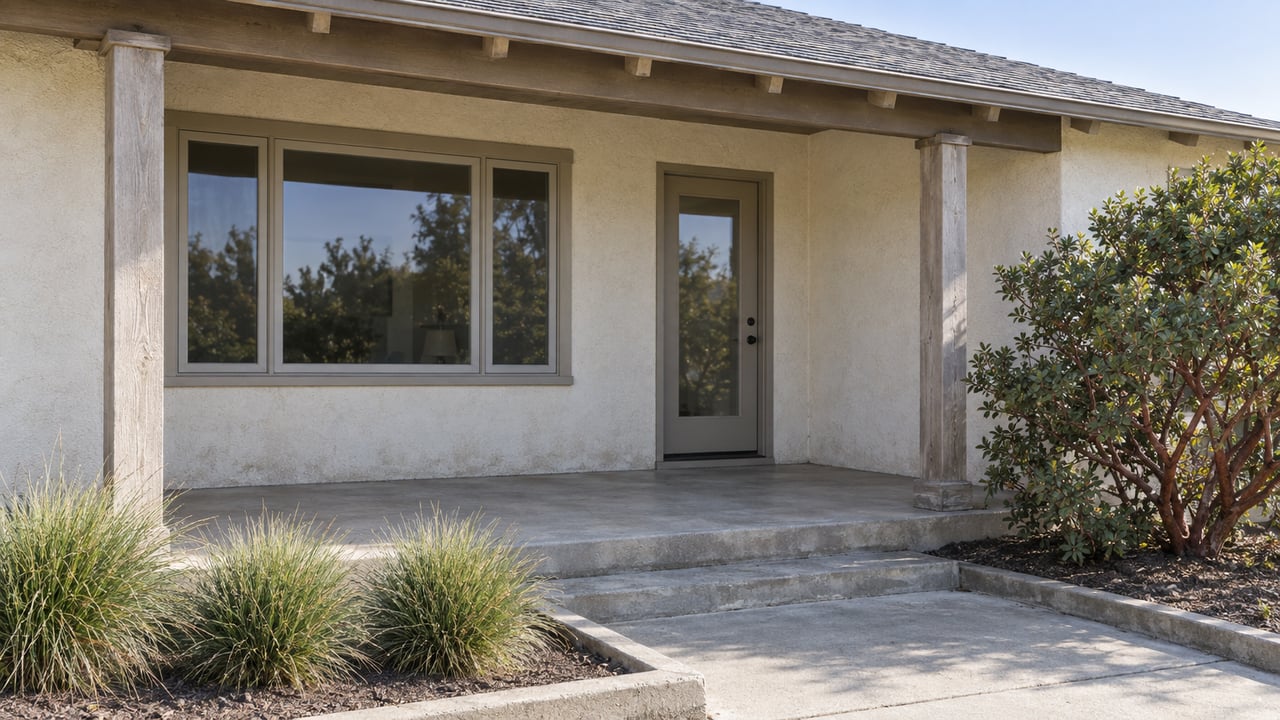
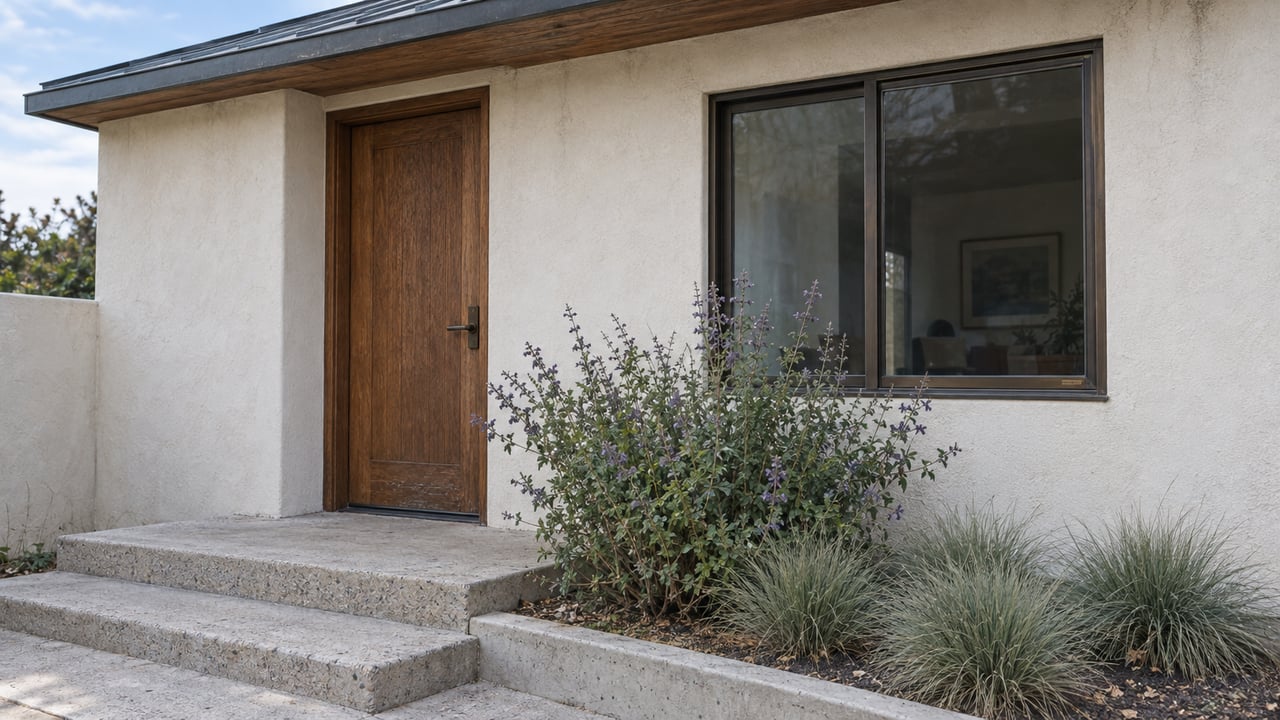
Salt air and onshore conditions can also speed up wear on exterior materials and metal hardware. When you evaluate a property, it makes sense to inspect roofs, gutters, crawlspaces, decks, windows, and exterior connectors with a coastal-maintenance mindset.
Moisture deserves close attention too. If there are signs of leaks, water intrusion, or past damage, buyers should treat that seriously and evaluate whether the underlying moisture source has been addressed.
If You Will Own From a Distance
Many Cambria retreat-home buyers are not local full-time, so ownership systems matter almost as much as the house. If you plan to manage the property from another city or state, think beyond the purchase and into the practical rhythm of care.
CCSD’s public information includes emergency notifications, water and wastewater updates, report-a-leak tools, solid-waste information, and preparedness resources. That structure can help remote owners stay informed, but only if you set up a reliable local support plan.
A smart remote-owner checklist includes questions like:
- Who receives district notices?
- Who can inspect the home after a storm?
- Who handles gutter and vegetation maintenance?
- Who can quickly check water or sewer issues if the property is vacant?
- Who can help you track needed service before it becomes a bigger problem?
A Smart Cambria Buyer Checklist
Before you write an offer on a Cambria retreat home, make sure you cover the basics that matter most here.
- Verify the active CCSD water position and confirm whether it is transferable.
- Ask whether the home already complies with CCSD resale retrofit rules.
- Review the County’s Cambria building-size resources before planning additions, decks, or expansions.
- Check the parcel’s wildfire-clearance history and current fuel-reduction obligations.
- Review FEMA flood maps and any parcel-specific drainage issues.
- Gather permit history for past work.
- Ask whether prior or planned projects involved County review, CCSD review, or possible Coastal Commission approvals.
Why Local Guidance Matters
Cambria can be an incredible place to own a retreat home, but it rewards buyers who do careful homework. The charm is real, and so are the details that can shape your experience after closing.
If you are buying from out of the area, it helps to have someone who can look beyond the listing photos and help you think through water status, permit layers, maintenance realities, and micro-location tradeoffs. That kind of local context can make the difference between a great lifestyle purchase and an avoidable headache.
If you are considering a retreat home in Cambria or anywhere along the Central Coast, Robert Sousa can help you navigate the details, evaluate the property with clear eyes, and move forward with confidence.
FAQs
What should buyers verify first when buying a retreat home in Cambria?
- Buyers should verify the property’s active CCSD water status first, because water availability affects utility service, building permits, and future improvement plans.
What makes Cambria different from other coastal home markets?
- Cambria has a layered approval environment involving San Luis Obispo County, CCSD, and in some cases the California Coastal Commission, with water availability playing a major role in what can be built or changed.
What types of retreat homes are common in Cambria?
- Buyers may find a mix of smaller vintage cottages, classic beach houses, rustic bluff homes, and larger ocean-view estate-style properties rather than one dominant home type.
What should remote buyers ask before buying a Cambria second home?
- Remote buyers should ask who will receive local notices, inspect the home after storms, handle vegetation and gutter maintenance, and respond quickly to water or sewer issues when the property is vacant.
What maintenance issues matter most for Cambria homes?
- Buyers should pay close attention to wildfire clearance, moisture control, drainage, and corrosion from the coastal environment when evaluating a Cambria property.
What should buyers know about remodeling a Cambria home?
- Buyers planning a remodel, addition, rebuild, or change of use should confirm permit history, water-related requirements, CCSD review, and whether Coastal Zone rules or possible appeals may affect the project.