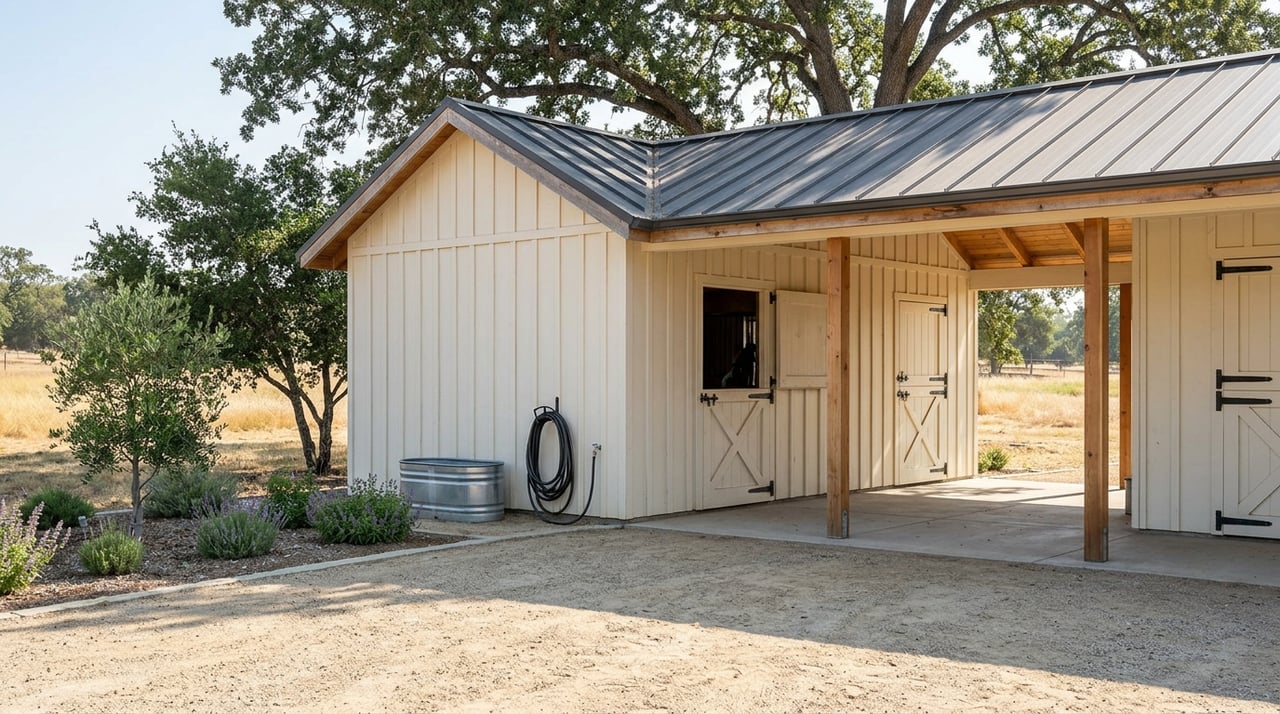
If you picture your next home with open space, room for projects, and a little more distance from the rush of town, Creston is worth a close look. Buying acreage here is not just about square footage or a view. It is about choosing a rural lifestyle that asks a bit more from you and gives a lot back in privacy, flexibility, and breathing room. This guide will help you understand what acreage living in Creston really looks like, what kinds of properties tend to come up, and how to narrow in on the right fit for your goals. Let’s dive in.
Why Creston Appeals to Acreage Buyers
Creston is a community reference area in San Luis Obispo County, about 12 miles east of Atascadero. The local village plan describes it as a rural place with a small village core and larger, lower-density parcels that provide open space for private recreation. That mix gives you a very different feel than a typical subdivision.
In practical terms, Creston tends to attract buyers who want more land, more privacy, and a quieter daily rhythm. The community infrastructure is modest, with local services that reflect its rural character rather than a suburban pattern of dense amenities. If you are drawn to land stewardship, animal potential, and space to spread out, Creston starts to make a lot of sense.
What Acreage Properties Look Like in Creston
One of the biggest strengths of Creston is its range. Recent market snapshots have shown properties from around 5 acres to more than 577 acres, while recent sold listings included parcels of 3.44, 5.47, 10, 10.98, and 14 acres. There are also smaller village lots, but much of the acreage conversation centers on ranchette-style properties and small ranch holdings.
For many buyers, that means the sweet spot is often in the roughly 3-to-15-acre range. These properties can offer usable land without necessarily becoming full-scale ranch operations. At the same time, the market also stretches upward for buyers seeking estate-scale or true agricultural holdings.
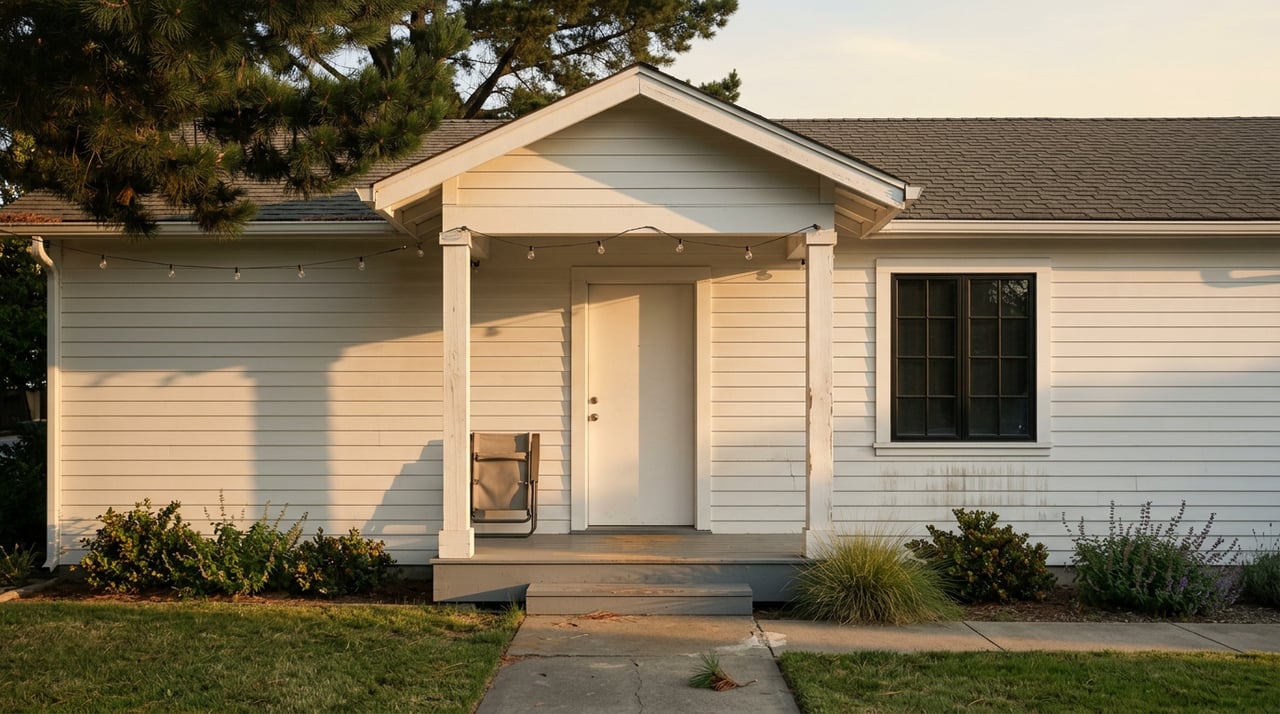
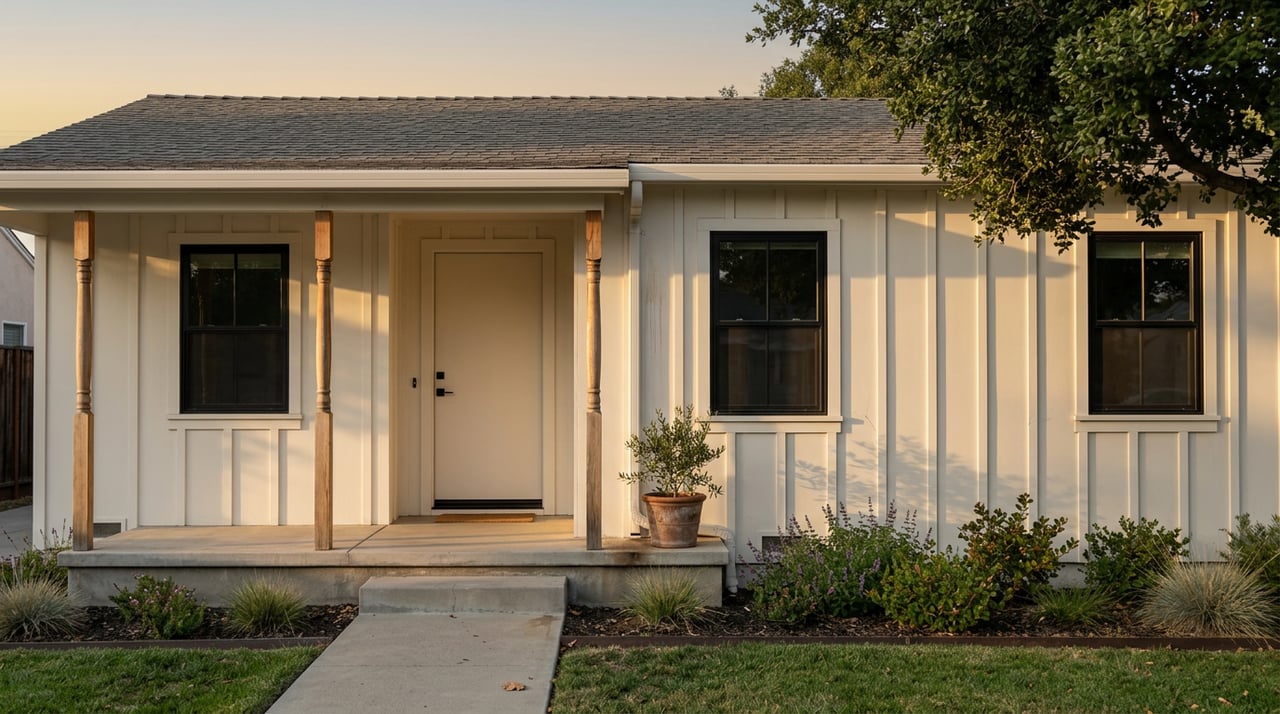
The homes themselves are usually practical single-family residences. Recent examples include one-story homes, older ranch-style houses, and farmhouse-adjacent properties from the 1920s through the 1980s, with some remodeled rural homes in the mix. You are often shopping for a combination of house, land, and utility features rather than just interior finishes.
Start With Your Acreage Goals
Before you tour properties, get specific about what “land” means to you. Some buyers want open space and privacy. Others want room for horses, a garden, equipment storage, or a small hobby-farm setup.
That distinction matters because not all acreage functions the same way. Two 10-acre properties can feel completely different depending on layout, access, improvements, terrain, and existing infrastructure. When you define your lifestyle goals first, it becomes easier to spot the right property quickly.
Questions to ask yourself first
- Do you want mostly privacy and views, or truly usable land?
- Are you hoping to keep horses or other animals?
- Do you want outbuildings, pasture, or fenced areas already in place?
- Are you comfortable taking on ongoing land maintenance?
- Do you want a move-in-ready home, or are you open to updates and improvements?
Understand Rural Infrastructure Early
In Creston, infrastructure is one of the biggest differences between buying acreage and buying in a more built-out neighborhood. The village plan notes that the townsite historically relied on individual wells and septic tanks, and that full single-family density was constrained without community water and sewer. That tells you a lot about the area’s rural setup.
For you as a buyer, this means due diligence on utilities is essential. A property’s well, septic system, road access, and overall site function can shape your ownership experience just as much as the house itself. These are not side notes in an acreage purchase. They are part of the foundation of the decision.
Rural property features to review closely
- Water source and well setup
- Septic system type and condition
- Driveway and road access
- Gates, fencing, and boundary clarity
- Outbuildings, sheds, or equipment areas
- Pasture or open ground usability
Horse and Hobby-Farm Potential in Creston
Creston often appeals to buyers who imagine a few horses, some animals, or a small-scale agricultural lifestyle. San Luis Obispo County’s animal-keeping code specifically addresses horses, goats, sheep, hogs, swine, and specialized animal facilities such as horse ranches and boarding stables. That local framework supports the idea that rural animal use is a real part of the landscape here.
At the same time, it is important not to assume every parcel is automatically ready for horses or agricultural use. County rules vary based on land-use category and parcel size. In broad terms, the county allows fewer than 30 horses on AG or Rural Lands sites of 20 acres or more without a permit, while 1 to 14 horses may be allowed on smaller sites or other land-use categories without a permit, and 15 to 29 horses can trigger zoning clearance.
This is where parcel-specific research matters. A listing may be described as agricultural, horse property, or ranch land, but your intended use still needs to line up with county standards and the property’s actual setup. If your dream includes animals or hobby farming, that should be part of your evaluation from day one.
Daily Life on Creston Acreage
Acreage living in Creston is usually less about amenities and more about stewardship. County planning documents describe private roads, single-access points, and low-density development that supports a large hiker and equestrian population. They also note that several large parcels provide open space for private recreation.
In everyday terms, owning land here often means paying attention to the property itself. You may spend more time checking fences, maintaining driveways, managing vegetation, or planning irrigation and drought-aware landscaping. For many buyers, that work is part of the appeal because it creates a stronger connection to the land.
Wildfire readiness is also part of the rural routine. CAL FIRE states that 100 feet of defensible space is required by law. In a place like Creston, that makes seasonal brush work and vegetation management an ongoing part of responsible ownership.
How to Judge Usable Land
Not all acreage is equally functional. A parcel may sound impressive on paper, but the way the land lays out can make a big difference in how you use it. That is why “usable acreage” is often more important than total acreage.
When you walk a property, pay attention to how the home sits on the land and how much of the site feels practical for your needs. Look at access, open areas, slope, fencing, and where existing improvements are located. A smaller parcel with a smart layout may serve you better than a larger one with limited functionality.
Signs a property may fit your lifestyle well
- The land around the home is easy to access and maintain
- Existing improvements support your intended use
- Open areas match your plans for animals, gardening, or recreation
- The approach to the property feels manageable in all seasons
- The home and land feel balanced rather than disconnected
Older Homes Can Be Part of the Opportunity
Because Creston’s housing stock includes older rural homes, you may come across properties built decades ago with a mix of original features and updates. Recent examples include homes built in 1926, 1975, 1977, and 1987. That variety can create opportunity if you are open to seeing the full picture.
An older home on strong land can be a very appealing combination. You may find the privacy, setting, and parcel layout you want, even if the house needs cosmetic changes or strategic improvements over time. For some buyers, that is the path to getting the right lifestyle without waiting for a perfect turnkey option.
What to Prioritize During Your Search
When buyers first start looking at acreage, it is easy to focus on the house and treat the land as a bonus. In Creston, the better approach is usually to evaluate both together from the beginning. The land, infrastructure, and intended use all play major roles in whether a property feels like a fit.
A focused search can save you time and help you compare options more clearly. Instead of asking only whether a property is beautiful, ask whether it supports the life you actually want to live there. That shift can make your decision much more confident.
Your Creston acreage checklist
- Confirm your target acreage range
- Decide whether animals or hobby farming are part of the plan
- Review well and septic details early
- Look closely at access, roads, and maintenance needs
- Evaluate usable land, not just total land
- Consider whether an older home with the right parcel could be the better long-term fit
Why Local Guidance Matters
Acreage purchases usually involve more moving parts than a standard residential search. In Creston, the details that matter most are often the ones you do not fully see in photos, such as access, layout, utility setup, and how the property lives day to day. That is especially important if you are buying from out of the area and need a grounded local perspective.
Working with someone who understands rural property across North County can help you narrow in on the right opportunities and avoid mismatches. Whether you are looking for a manageable ranchette, a larger agricultural parcel, or a home with room to grow, the goal is to find a property that fits both your vision and the reality of ownership.
If you are exploring acreage in Creston and want practical guidance from someone who knows the Central Coast lifestyle, Robert Sousa can help you evaluate land, home features, and the details that matter most so you can move forward with clarity.
FAQs
What kind of acreage properties are common in Creston?
- Creston often features small ranch and ranchette properties in the roughly 3-to-15-acre range, while the market can also include smaller village lots and much larger ranch or estate holdings.
Are Creston properties suitable for horses or hobby farming?
- Many properties may appeal to buyers interested in horses or small-scale agricultural use, but allowances depend on parcel size and county land-use rules, so each property should be reviewed individually.
What utilities should buyers expect on acreage property in Creston?
- Creston has a rural pattern that historically relied on individual wells and septic systems, so buyers should review water, septic, access, and other site infrastructure carefully.
What is daily life like on acreage in Creston?
- Living on acreage in Creston often involves more hands-on property care, such as driveway upkeep, fence checks, vegetation management, and wildfire defensible-space maintenance.
Are older homes common on acreage property in Creston?
- Yes, recent examples show a mix of older homes from the 1920s through the 1980s, including ranch-style and farmhouse-adjacent properties, with some updated rural homes also available.