If you are comparing Pismo Beach homes and notice prices swing a lot within just a few blocks, you are not imagining it. Coastal weather patterns like fog, wind, and microclimates shape how buyers experience a property and what they are willing to pay. That can change days on market and negotiation room. In this guide, you will learn how the marine layer, wind exposure, microclimates, and coastal hazards influence value and what you can do to make smarter decisions as a buyer or seller. Let’s dive in.
Coastal weather basics in Pismo Beach
Pismo Beach sits on California’s Central Coast with a mild Mediterranean climate strongly influenced by the cold California Current. A frequent marine layer brings fog and low clouds, especially in late spring and early summer. The result is cooler summers than inland areas and noticeable day-to-day variability. You can find local descriptions of these patterns in the National Weather Service guidance for San Luis Obispo County.
Topography also creates microclimates. Bluff-top exposures, sheltered coves, and slightly inland elevations can vary by a few degrees and by how often fog or wind shows up. Over short distances, you can go from breezy and cool to calm and sunny.
Coastal hazards are part of the picture too. Bluff erosion, storm surge, and sea-level rise are tracked by state and county agencies. The California Coastal Commission provides policy guidance and hazard information that inform local planning.
Marine layer and ocean-view pricing
Fog and low clouds can temporarily obscure views during common showing times. This matters because buyers often pay a premium for ocean views and sunny outdoor spaces. When a home with a view is visited during a foggy window, buyers may value that view less and negotiate more.
Market response tends to look like this:
- Homes with consistent clear vistas during typical afternoon showings can hold their view premiums better.
- If the marine layer lingers into midday, buyers may hesitate, widening pricing bands or slowing offers.
- Many buyers see the upside too. The marine layer keeps summer temperatures mild and reduces heat stress compared with inland homes.
If you are selling, plan your photos and showings for the clearest windows. Mid- to late afternoon often works well outside peak fog season. Consider documenting typical conditions with time-stamped photos so buyers understand when views open up.
Wind exposure and maintenance
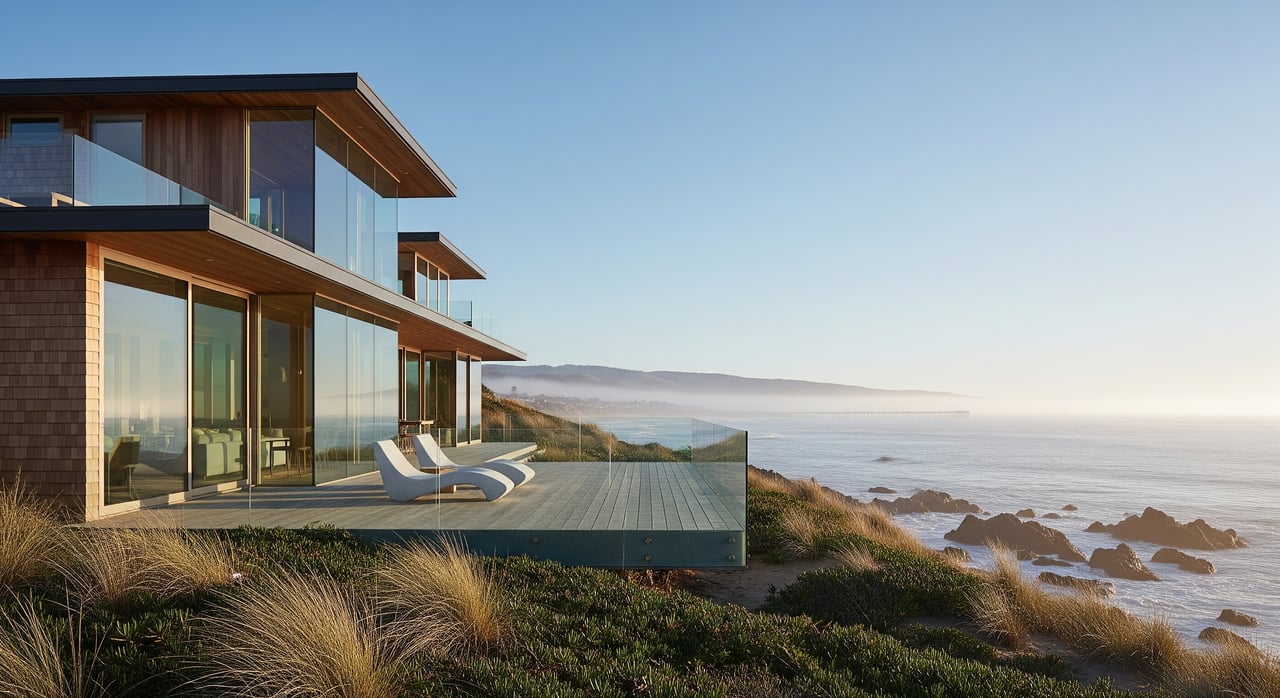
Onshore winds are part of life along the bluffs and west-facing lots. That breeze can feel refreshing, but higher exposure also brings salt spray. Over time, salt and wind can increase exterior maintenance on metal, paint, wood, and decking. Landscaping may need hardy, coastal-tolerant plants and irrigation that handles wind and salt.
Some buyers seek out breezy bluff-top living and will pay a premium for dramatic vistas. Others look for more sheltered yards where they can dine outside comfortably. Insurance and long-term maintenance budgets can factor into those choices and influence final pricing.
Microclimates create sub-markets
Small shifts in elevation or distance from the water can change your day-to-day experience. Here is how that plays out across common Pismo Beach settings:
Bluff-top and Shell Beach bluffs
- Traits: Big views, more wind and salt exposure, frequent marine layer visibility changes.
- Pricing dynamic: Strong view premiums with more volatility tied to weather during showings and maintenance expectations.
- Tactics: As a seller, schedule showings for clear periods and share photos from different seasons and times of day. As a buyer, budget for exterior upkeep and review any erosion assessments.
Downtown and the Pier area
- Traits: Walkable to dining and the promenade; marine layer is still common, but buildings can temper wind at street level.
- Pricing dynamic: Lifestyle access supports demand, even with some fog. Buyers often accept variable sun for walkability.
- Tactics: As a seller, highlight natural light, walkability, and amenity access. As a buyer, visit at multiple times of day to see typical visibility.
Slightly inland or elevated streets
- Traits: Fewer fog hours and warmer afternoons compared with the immediate shoreline.
- Pricing dynamic: Attractive to sun-seekers who want outdoor living with lower salt exposure. Often priced below bluff-front but above more inland towns because of climate and beach access.
- Tactics: As a buyer, weigh sun and yard use against immediate ocean frontage. As a seller, emphasize year-round outdoor comfort.
Coastal hazards and extreme storms
Properties near bluffs or low-lying areas may be subject to erosion or flooding. These risks can narrow the buyer pool and add time to the sale. Lenders and insurers often review flood zones, bluff stability, and mitigation plans. You can check a property’s flood zone at the FEMA Flood Map Service Center. For policy context on bluff erosion and shoreline adaptation, review California Coastal Commission resources.
Buyers who are investing for the long term also consider future conditions. The NOAA Sea Level Rise Viewer and Cal-Adapt provide official tools and projections to understand potential scenarios. These do not replace a site-specific report, but they help you ask the right questions. When risk and regulation increase, sellers sometimes price more conservatively to reach the next qualified buyer faster.
Seasonality and weather-linked timing
Spring and early summer are traditionally busy across many U.S. markets. The National Association of Realtors tracks these seasonal patterns and how they affect buyer activity. Along the Central Coast, you can fine-tune timing within that broader cycle.
Buyers who value clear, sunny afternoons may be more active during late summer and early fall when marine layer persistence often eases. A run of bright, calm weekends can speed up offers, while major storms can slow showings and extend days on market. As a seller, use the forecast to time photography and open houses. As a buyer, plan multiple visits to get a full picture of a home’s microclimate.
Buyer checklist: Weather-smart due diligence
- Visit the home at least twice, including early morning and mid- to late afternoon, to see how fog and wind shift during the day.
- Ask for time-stamped photos or video from different seasons and times of day to confirm view windows.
- Check FEMA flood status and base flood elevation for the parcel at the FEMA Flood Map Service Center.
- Review any bluff stability reports or disclosures and ask about shoreline retreat history. County planning documents can help you frame questions.
- Request recent homeowner’s insurance and, if relevant, flood insurance quotes. Ask about wind or salt-related repair history.
- Inspect HVAC, ventilation, and any dehumidification features. Persistent fog can raise indoor moisture concerns if not managed.
- Look closely at exterior materials, railings, and fasteners for corrosion. Confirm use of marine-grade finishes where appropriate.
- Compare local weather observations from the National Weather Service to understand typical wind and fog patterns.
Seller checklist: Reduce friction and days on market
- Schedule photography and showings for the clearest forecast windows. Share a gallery that shows both sunny conditions and typical marine layer to set expectations.
- Document view corridors with time-stamped images and a short video walkthrough.
- Prepare and organize disclosures for bluff-adjacent or low-lying properties, including any geotechnical evaluations or drainage improvements.
- Highlight the benefits of the marine-influenced climate where appropriate, such as mild summers and outdoor comfort.
- List weather-resilient upgrades: recent exterior paint, corrosion-resistant hardware, composite decking, coastal-tolerant landscaping.
- Discuss insurance readiness. Having quotes and contacts available can streamline underwriting and buyer confidence.
What this means for your budget
Your ideal spot in Pismo Beach depends on what you value most. If you want dramatic ocean vistas and accept higher exterior maintenance, bluff-top living may be the right fit. If you want maximum sun for gardening and outdoor dining, a slightly inland or elevated street may suit you better. If walkability and lifestyle are your top priorities, the Pier area can be a strong choice despite occasional fog.
Build a realistic life-cycle budget. Include routine exterior care in windy, salty zones, the potential for higher insurance costs in hazard areas, and future improvements that enhance weather resilience. These adjustments will help you compare properties apples to apples.
Ready to compare properties with a local plan?
If you want a clear, weather-aware strategy for buying or selling in Pismo Beach, work with a local advisor who understands microclimates, hazards, and timing. With Compass tools and a high-touch approach, Robert Sousa can schedule showings around the forecast, prepare marketing that sets accurate expectations, and coordinate pre-sale improvements through Compass Concierge to maximize your result. Let’s connect.
FAQs
How does fog affect ocean-view premiums in Pismo Beach?
- Fog reduces perceived value when it blocks views during common showing times, but homes with consistent clear afternoon visibility tend to retain view premiums better.
Should you avoid bluff-top homes because of erosion risk?
- Not necessarily. Review site-specific geotechnical reports, historical retreat information, and local policies. Many bluff homes remain marketable with proper disclosures.
Do wind and salt significantly increase maintenance costs?
- Exposure can raise maintenance frequency for paint, metal, and decking; marine-grade materials and proactive care help manage long-term costs.
When is the best time to list to reduce “June gloom” impact?
- Late summer and early fall afternoons are often clearer on the Central Coast; time photos and showings for forecasted sunny windows.
How do insurance and lending factor into coastal home prices?
- Premiums, coverage availability, and lender scrutiny for flood or erosion zones affect affordability, which can widen negotiations and influence final sale price.
Sources and tools for further reading: National Weather Service Los Angeles/Oxnard, California Coastal Commission coastal hazards, FEMA Flood Map Service Center, NOAA Sea Level Rise Viewer, Cal-Adapt climate projections, National Association of Realtors research, San Luis Obispo County Planning and Building.