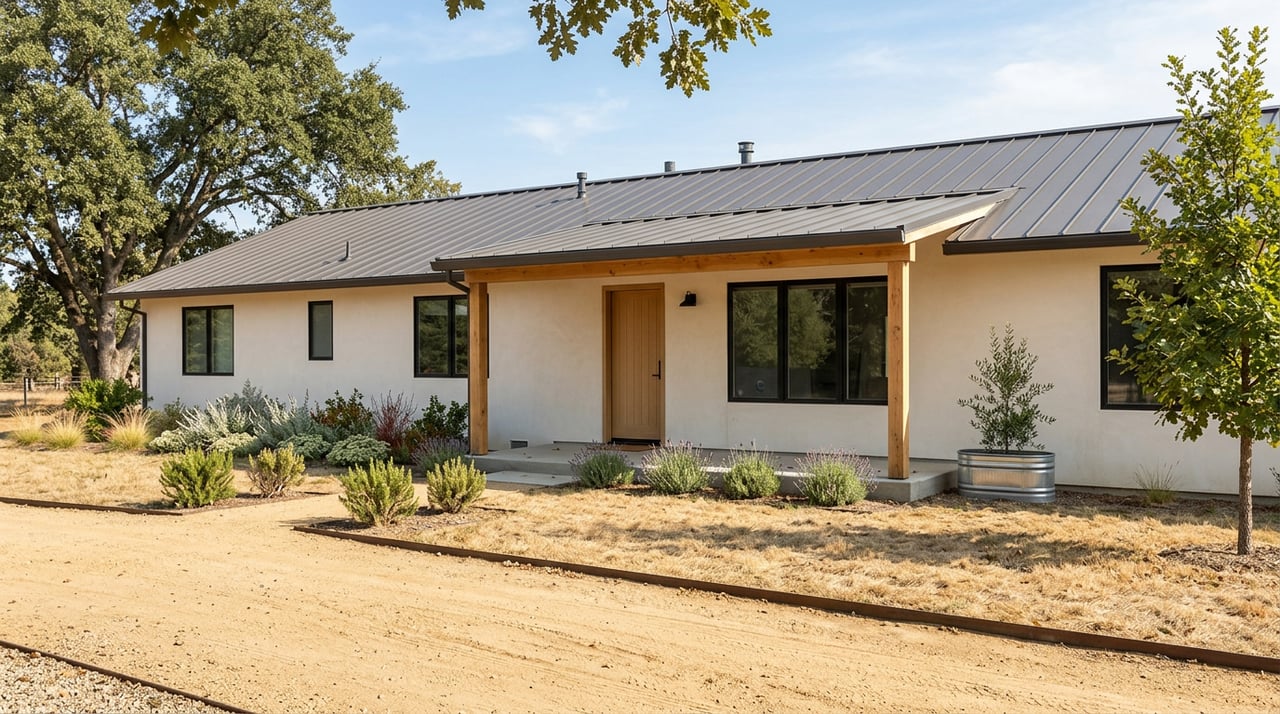
Picture an early morning on an oak-studded ridge, the air cool and quiet, with Santa Margarita Lake just beginning to glow. By afternoon, you could be chatting on a tasting room patio or watching riders head out on a trail. If you’re drawn to privacy, open land, and a town that still feels human-scale, Santa Margarita might be the fit you’ve been searching for. In this guide, you’ll learn how ranch and small-town living work here, from property types and commute times to wells, septic, fire safety, and practical buyer checks. Let’s dive in.
Why Santa Margarita appeals
Santa Margarita is a tiny unincorporated community in eastern San Luis Obispo County with a 2020 population of just 1,291. That scale is central to its charm. The village sits along historic El Camino Real, framed by working ranches and open space. Some local sites, like the Eight Mile House, are recognized on the National Register of Historic Places. It is a rural setting with a sense of place.
Quick facts to ground your search:
- Population: 1,291 in 2020, a clear marker of small-town scale (California Department of Finance).
- Outdoors: Santa Margarita Lake offers fishing, boating, camping, and miles of trails. Swimming is restricted because it is a drinking-water reservoir (San Luis Obispo County Parks).
- Market snapshot: Aggregated portals often show medians in the high $700k to high $800k range, but year-to-year sales are few, so numbers can swing. Check live MLS data for day-of accuracy (Redfin market snapshot).
Outdoors and small-town life
Santa Margarita Lake weekends
If you love the outdoors, the lake is a major draw. The county-managed park features a marina store, boat rentals, campgrounds, and miles of multi-use trails. You can fish in the morning, then hike or ride under the oaks after lunch. Because the lake supports city water, you will see restrictions on swimming, but you will also find quiet coves, wildlife viewing, and family-friendly day-use areas. Get to know the trailheads and picnic spots you will use most on repeat weekends at the park (SLO County Parks overview).
Ranch adventures and wine
Santa Margarita Ranch is one of the area’s historic anchors. Today it remains a working ranch with agritourism that blends rural life with food, wine, and outdoor adventure. Zipline outings, guided nature tours, and vineyard tastings bring visitors and locals together on the same landscape, creating a social rhythm that is both low-key and lively. To preview the experience, explore the ranch’s adventure and tasting offerings through Ancient Peaks Winery’s site, which spotlights zipline and tour options tied to the ranch setting (Ancient Peaks experiences).
A tiny but lively main street
Downtown Santa Margarita is small, with a handful of tasting rooms, cafes, and visitor-oriented spots. That scale is part of the appeal. On a typical weekend you might meet a tasting room lead who knows the ranch history by heart or a café owner who points you to a favorite trail. Seasonal markets and heritage sites add texture to the calendar. You will not find big-box retail here, but you will find neighbors who wave and places where staff remember your order.
What you find on the market
In-town homes
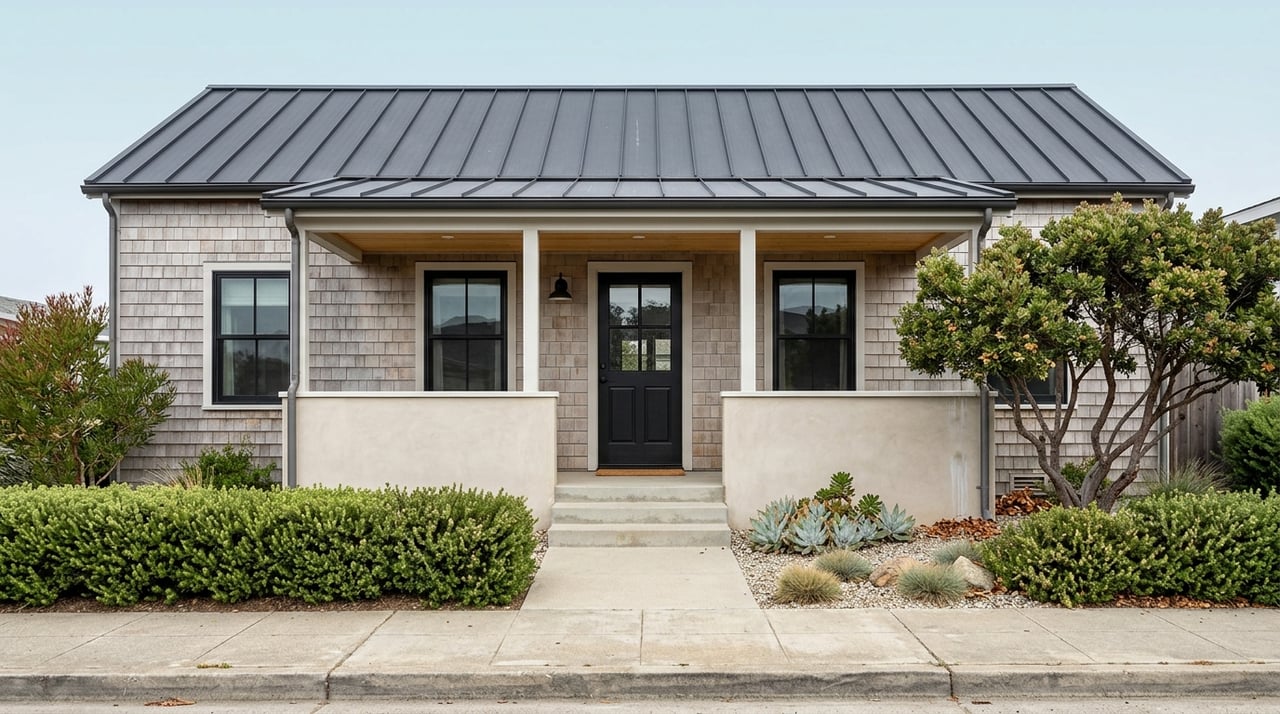
You will see older homes and bungalows on small lots close to the village core. These are a fit if you want walkable access to the café, tasting rooms, and the quickest drives to nearby cities.
Ranchettes and hobby ranches
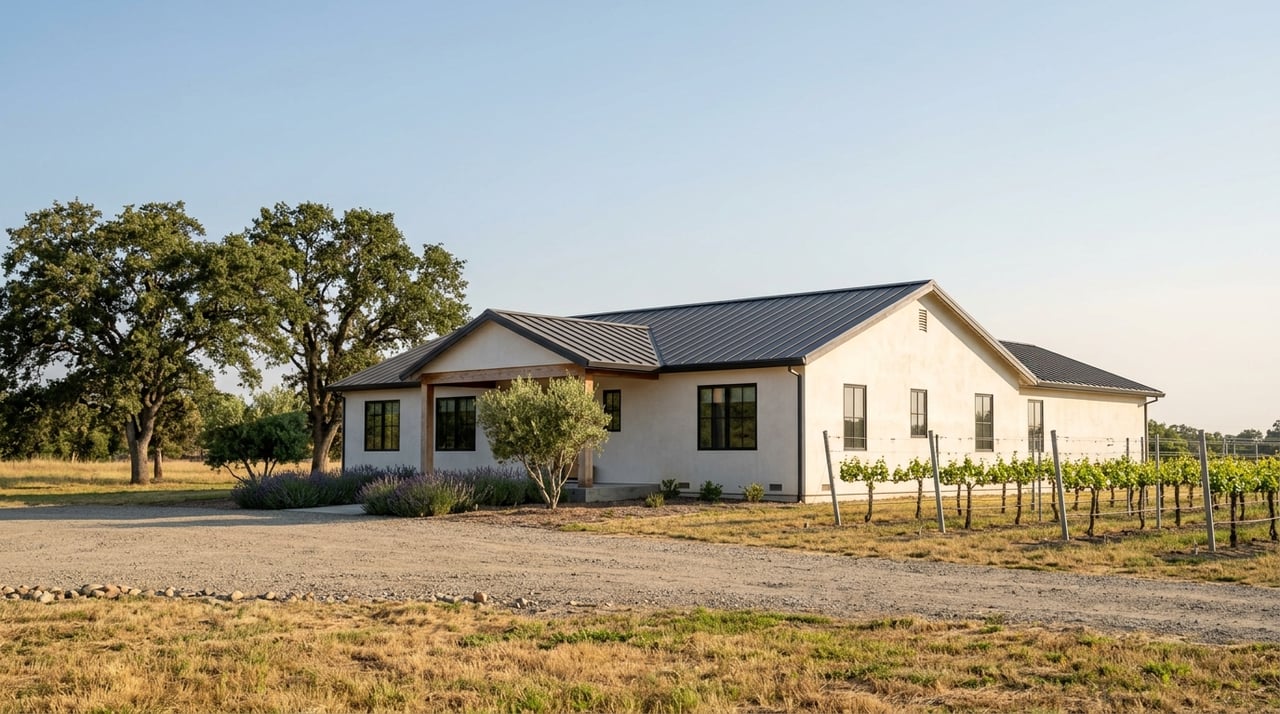
Beyond the core, many buyers look for 1 to 10 acres for horses, gardening, or a small orchard. These parcels offer privacy and room to spread out, while staying manageable for a single household. If you work remotely or want outbuildings for hobbies, this category often checks the boxes.
Larger ranches and legacy parcels
The surrounding countryside includes larger ranch holdings measured in tens to thousands of acres. Many remain in agricultural use or operate with mixed uses like conservation easements or event venues. If you are considering a large parcel, know that county rules in the Santa Margarita Ranch area emphasize agricultural protection and clustered development. Standards focus on protecting prime soils, limiting the number and configuration of parcels, and minimizing visual impacts. Always review what is allowed before you plan to subdivide or build beyond existing entitlements (County code for Santa Margarita Ranch area).
Market dynamics to expect
Because the community is small, sales counts can be modest. That means median prices can move around from quarter to quarter. Public data vendors like ATTOM track summary figures for the ZIP, but the live MLS will have the most current, address-level picture. Ask your agent for up-to-the-minute comps so you can price or offer with confidence (Redfin snapshot).
Everyday logistics and commute
Santa Margarita sits in a sweet spot if you split your life between quiet land and nearby cities. Typical drive times, which vary with traffic, are about 20 to 35 minutes to downtown San Luis Obispo and roughly 20 to 30 minutes to Paso Robles. Atascadero and Templeton are closer for everyday shopping and services. If commuting is important, drive the route during your normal hours to confirm the fit (distance context).
Grocery, healthcare, and major retail clusters are in Atascadero, Templeton, Paso Robles, and San Luis Obispo. In town, you will find tasting rooms, a few eateries, and park-related services. Plan on 20 to 40 minutes of driving for most errands during the week.
Infrastructure checks before you buy
Water and wells
Many acreage properties in the county rely on private wells or small public systems. Make sure you obtain well logs, confirm permitted capacity, and order a full water-quality test panel for your due diligence. The County’s Environmental Health Well Program is the permitting authority and publishes guidance for private well owners. Use that resource as you plan your inspections and any upgrades (SLO County Well Program).
Suggested water tests often include nitrates, coliform bacteria, total dissolved solids, and arsenic if regionally relevant. If the property shares a well, review the agreement, metering, and maintenance responsibilities.
Septic systems and perc tests
Where sewer is not available, onsite wastewater treatment systems handle household waste. San Luis Obispo County regulates septic under the State’s OWTS policy and the county’s Local Agency Management Program. For buyers planning additions or new construction, a percolation test and engineered design may be required. Make septic inspection and LAMP compliance part of your offer timeline so you understand costs before closing. For regulatory context, review the County’s program documents and local policy references in environmental filings that outline how OWTS is permitted and managed in the county (County OWTS policy context).
Roads, access, and easements
Rural properties often include private or shared drives. Confirm recorded access easements and any road maintenance agreements. If you plan construction or renovations, check whether heavy equipment can reach the site year-round and whether there are seasonal access issues.
Power, gas, and internet
Electricity is typically provided by the regional utility, but service lines can be long, and outages can occur during storms. Many acreage homes use propane or electric heat rather than natural gas. Cell and broadband coverage can be spotty away from town. If you work remotely, test your carrier’s signal on-site and verify fixed internet options at the address before you write an offer.
Fire safety and insurance
Local fire protection
Santa Margarita is served by the Santa Margarita Fire Protection District, with surrounding areas supported in partnership with CAL FIRE. Rural districts often blend volunteer or paid-call staffing. Ask about the local station’s coverage area, response protocols, and any requirements for access roads or visible address markers at your property.
Wildfire hazard zones and defensible space
Parts of the foothills and open-space edges in the region fall within State Fire Marshal Fire Hazard Severity Zones. These are mapped as Moderate, High, or Very High in State Responsibility and local areas. Before you buy, look up the parcel and review any defensible-space and building-hardening recommendations. Hazard ratings can influence insurance pricing and availability, so get quotes early in escrow. Start with the State’s FHSZ viewer to check an address (CAL FIRE FHSZ viewer).
Defensible-space basics most homes need:
- Maintain about 100 feet of fuel reduction around structures as required by local rules.
- Keep roofs and gutters clear of leaves and needles.
- Install or confirm ember-resistant vents and clear vegetation away from decks and fences.
- Ensure driveways and gates allow fire engine access.
Smart buyer checklist
Use this list to move from dreaming to doing:
- Confirm current MLS data and ask for relevant comps. Small sample sizes mean medians can shift quickly (market snapshot reference).
- Water and wells: obtain well logs, confirm permitted capacity, and order a full lab test panel. Review any shared well agreements (County Well Program).
- Septic/OWTS: schedule a septic inspection, and review the county’s OWTS policies if you plan expansions. Get a perc test if you are adding bedrooms or building anew (OWTS policy context).
- Fire and insurance: identify the parcel’s Fire Hazard Severity Zone, create a defensible-space plan, and obtain insurance quotes early (FHSZ viewer).
- Land-use checks: review easements, agricultural conservation easements, and county standards for the Santa Margarita Ranch area before planning to build or subdivide (county code).
- Roads and access: confirm recorded access, private road maintenance, and heavy-equipment access for any planned work.
- Services and connectivity: verify cell coverage and fixed broadband options at the address. If you commute, test the drive during your typical hours (distance context).
Living the day-to-day rhythm
A typical week here might look like this: morning coffee in town, a quick grocery run in Atascadero or Templeton, then a trail walk by the lake at sunset. Weekends bring a steady hum from ranch tours and tastings, with enough open land to reset between outings. If you value privacy without giving up access to the Central Coast’s cities, this balance is the story of Santa Margarita.
Ready to explore properties that match how you want to live? Tap a local advisor who knows acreage, utilities, and land-use rules as well as the lifestyle details that make a home feel right. Connect with Robert Sousa to start your Santa Margarita search or to plan your next move on the Central Coast.
FAQs
What defines small-town living in Santa Margarita, CA?
- Santa Margarita’s 2020 population is 1,291, with a compact village core, working ranches nearby, and easy access to Santa Margarita Lake for year-round recreation.
How long is the commute from Santa Margarita to San Luis Obispo or Paso Robles?
- Typical drives are about 20 to 35 minutes to San Luis Obispo and around 20 to 30 minutes to Paso Robles, depending on route and traffic. Test your commute during peak hours.
What types of properties are most common in Santa Margarita?
- You will find in-town homes on small lots, 1 to 10 acre ranchettes for hobbies or horses, and larger ranch parcels that remain in agricultural use.
Do Santa Margarita homes have city water and sewer?
- Many acreage properties rely on private wells and septic systems regulated by San Luis Obispo County. Always verify water source and septic details during inspections.
What should I know about wells and water quality when buying acreage?
- Obtain the well log, confirm permitted capacity, and order a full lab test panel for nitrates, coliforms, total dissolved solids, and regionally relevant minerals like arsenic.
How does the county regulate building on larger ranch parcels?
- In the Santa Margarita Ranch area, county standards emphasize clustered housing, protection of prime soils, and minimized visual impacts. Review allowed uses before you plan.
Is wildfire risk a factor for Santa Margarita buyers?
- Some areas map to Moderate, High, or Very High Fire Hazard Severity Zones. Check the State’s map, plan defensible space, and price insurance early in your process.